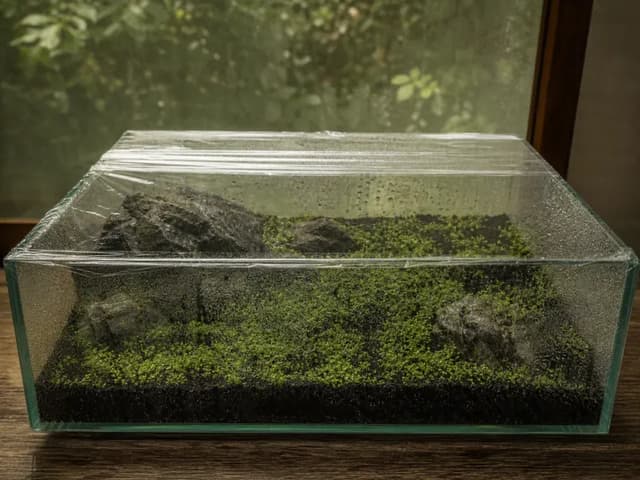
The dry start method
A dry start gives carpeting plants humid air, stable substrate, and time to root before flooding. It moves the difficult transition rather than eliminating it.
Verdant journal
Long-form guidance on aquarium setup, plant care, water chemistry, maintenance, and the quiet craft of aquascaping.
Showing 30 entries
A dry start gives carpeting plants humid air, stable substrate, and time to root before flooding. It moves the difficult transition rather than eliminating it.
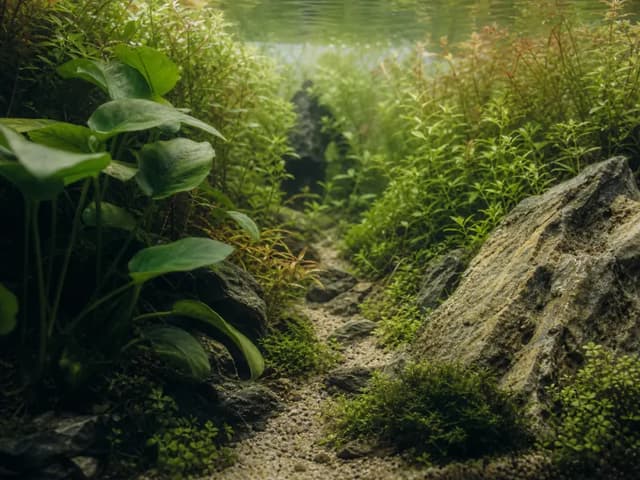
Depth in a small aquarium is a coordinated illusion built from slope, scale, overlap, texture, lines, atmosphere, and the discipline to leave a middle distance.
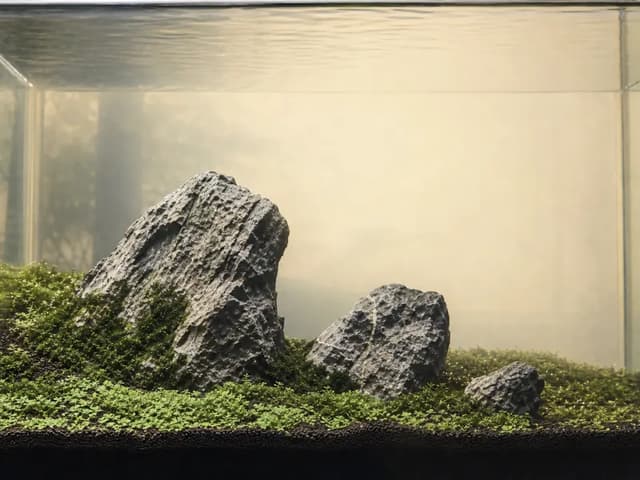
Three classic styles use the same glass to ask different questions: how nature can be suggested, how little material can carry a landscape, and how plants themselves can become architecture.
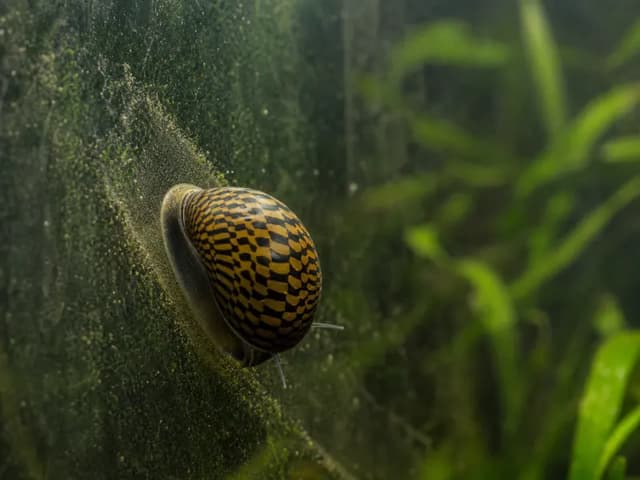
A snail population is often the tank’s feeding ledger written in moving shells. Read the ledger before trying to erase it.
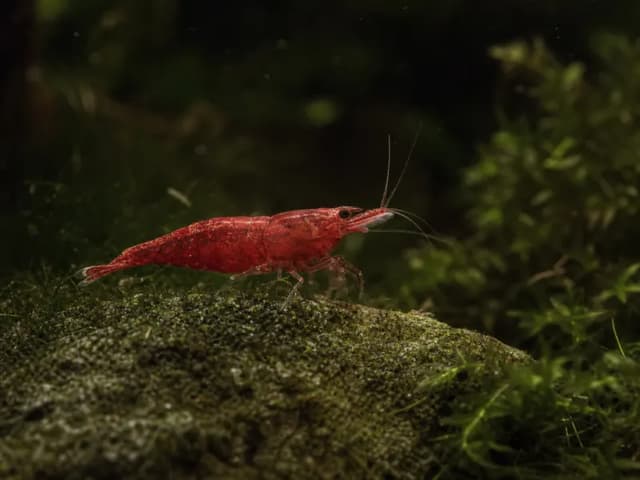
A mature planted tank offers shrimp what new glass cannot: biofilm, cover, stable mineral chemistry, and countless small surfaces on which a colony can live.
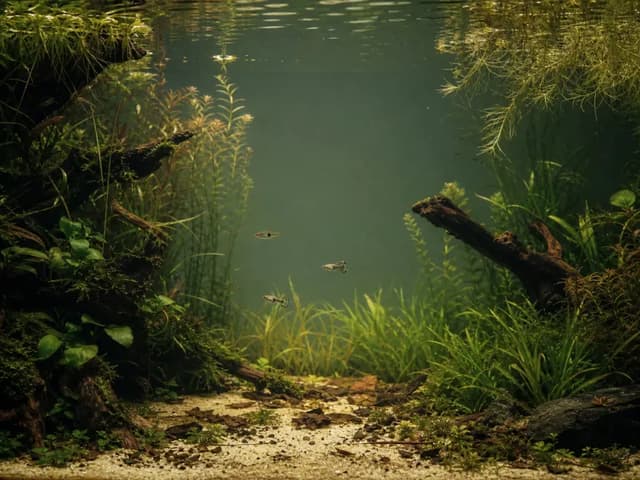
Stocking is a moving balance between adult animals, feeding, oxygen, bacterial processing, plant uptake, territory, and the keeper’s willingness to maintain the result.
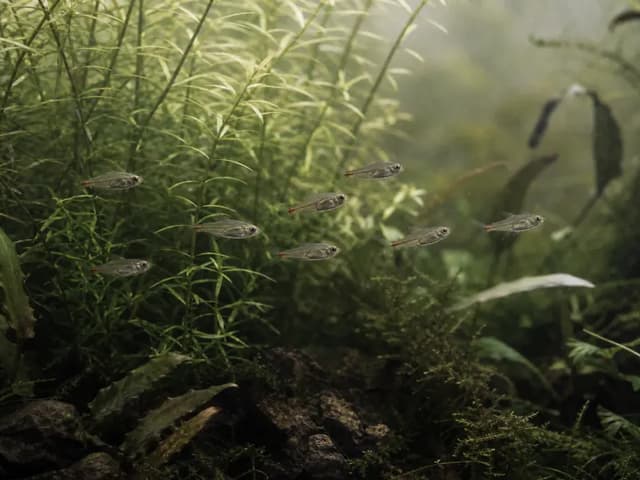
Compatibility is more than a green box where two species lists overlap—it is the fit between adult bodies, social lives, water, territory, and the physical shape of the aquarium.
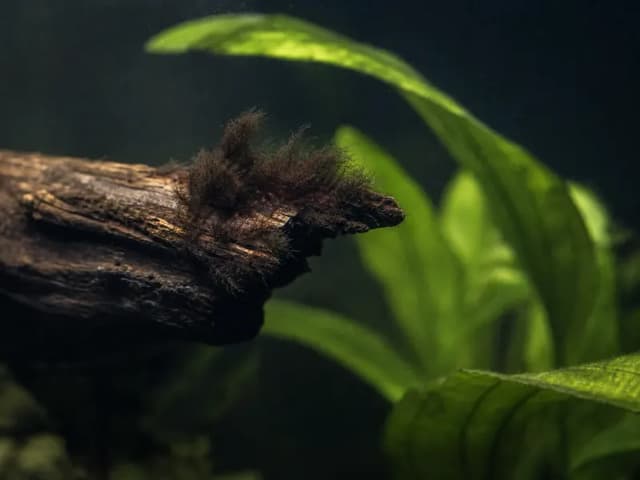
Black beard algae is easy to kill in one place and hard to stop everywhere. The lasting work is stabilizing light, carbon, flow, and maintenance while removing the old evidence.
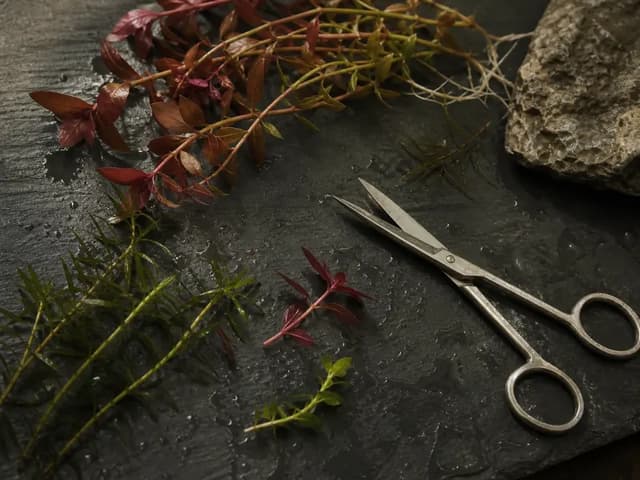
A trim is not merely subtraction. Every cut chooses where the next growth begins, which tissue stays rooted, and whether the group becomes fuller or merely shorter.
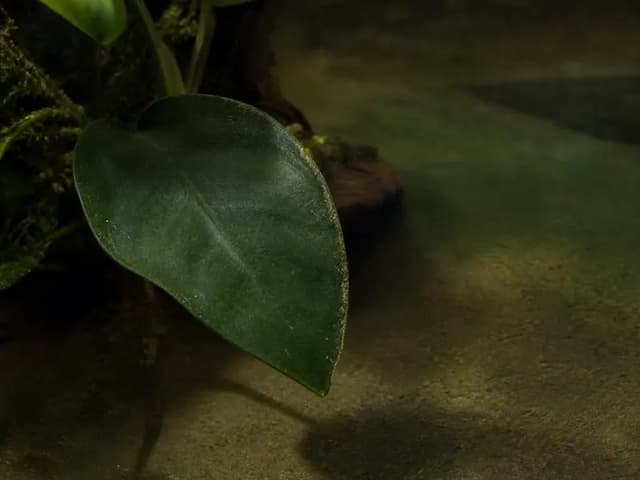
A non-injected aquarium gives up speed and gains time: longer-lived compositions, smaller consequences, and a pace that leaves room to notice.
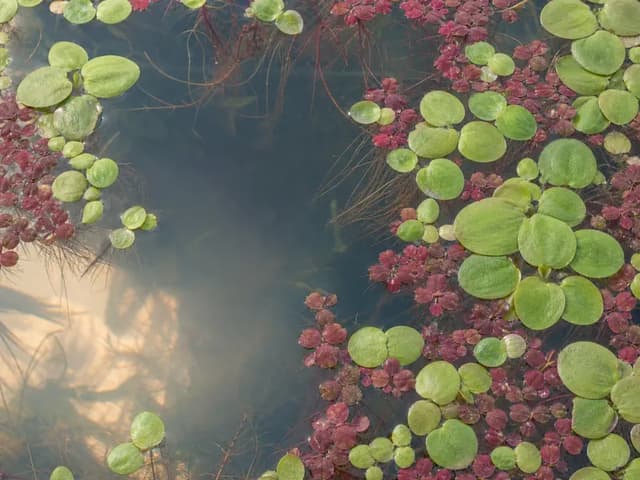
Floaters turn open surface into fast plant growth, using atmospheric carbon and dissolved nitrogen while asking for light, stillness, and regular thinning in return.
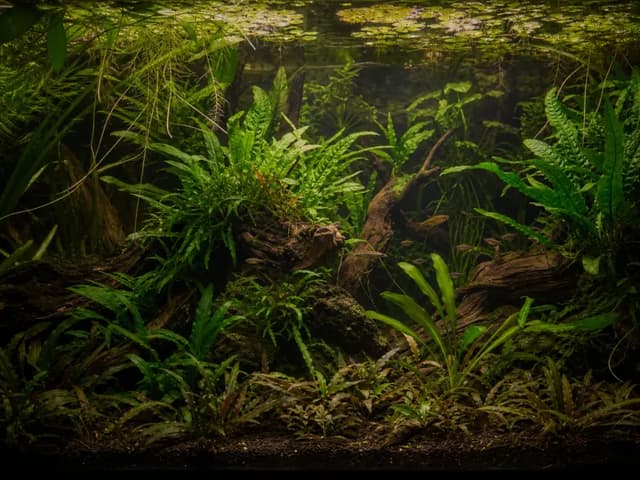
A soil-based natural aquarium is not a jar abandoned to nature. It is a deliberately modest system that asks plants, substrate, microbes, and livestock to carry compatible loads.
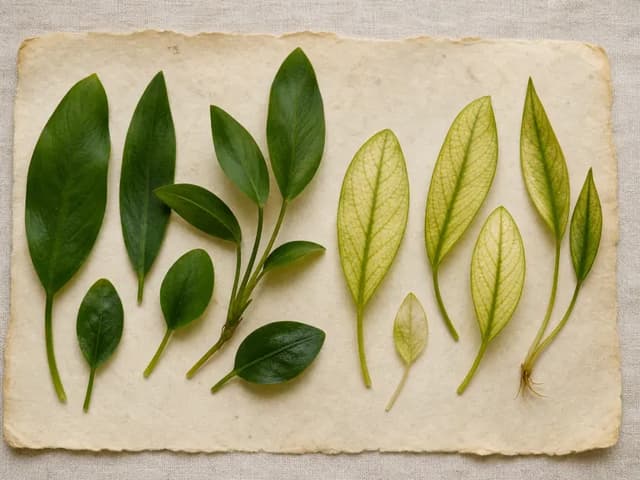
A damaged leaf is evidence, not a diagnosis. Its age, pattern, and place on the plant narrow the possibilities only when the rest of the aquarium is read with it.
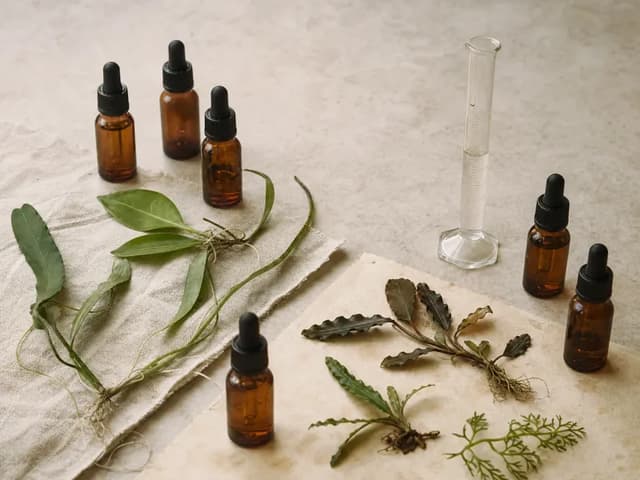
EI, PPS, and lean dosing are less rival truths than different answers to one question: how much uncertainty, testing, and water-changing you want to build into the system.
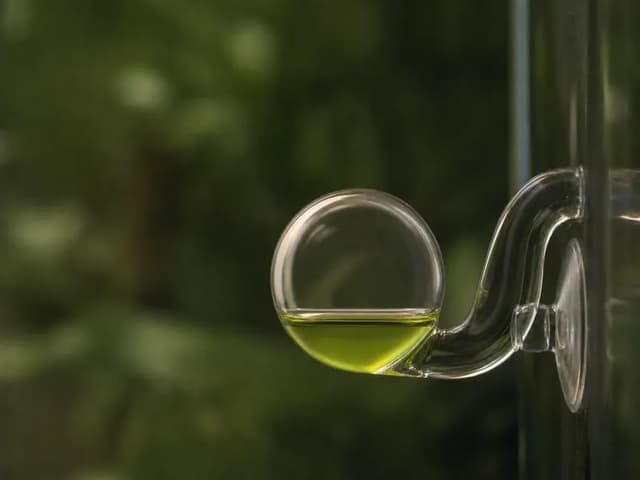
A drop checker is a delayed color estimate inside a tiny reference solution. Read that sentence twice and it becomes a far better instrument.
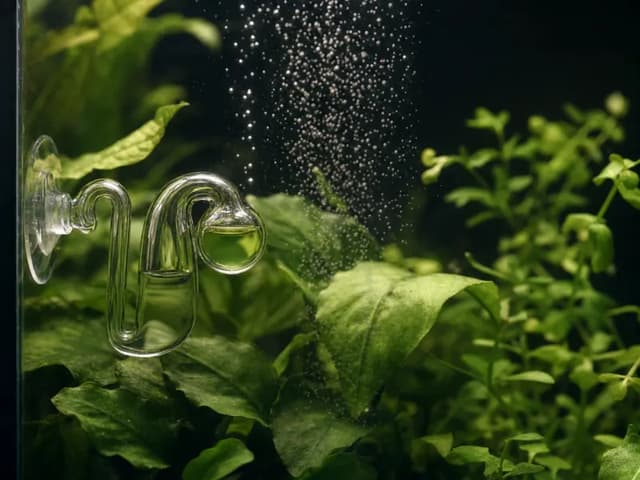
Injected carbon can transform a planted aquarium, but the safe setting is found through slow adjustment, reliable gas exchange, and the behavior of the animals—not a fashionable bubble count.
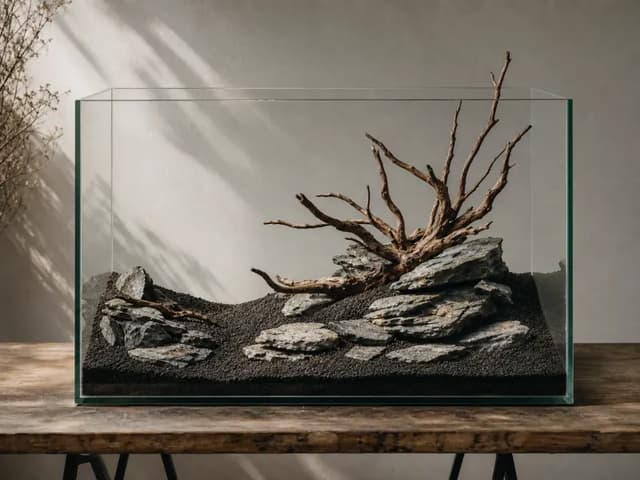
Stone, wood, and substrate establish the tank’s movement before a single plant softens the lines. The dry stage is where difficult corrections are still easy.
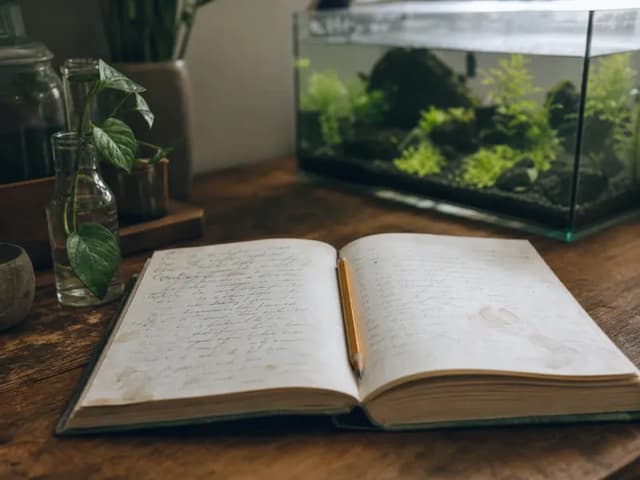
The first month is a sequence of small biological handoffs and awkward plant transitions, not a smooth march toward maturity. The decisions it asks for are easier when they are written down.
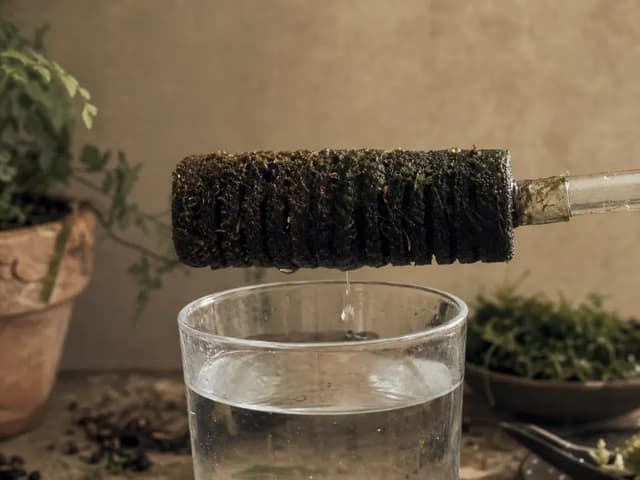
A mature cycle travels on wet surfaces, not in a jar of old tank water. The useful question is not how much water to move, but which living biofilm can be moved safely.
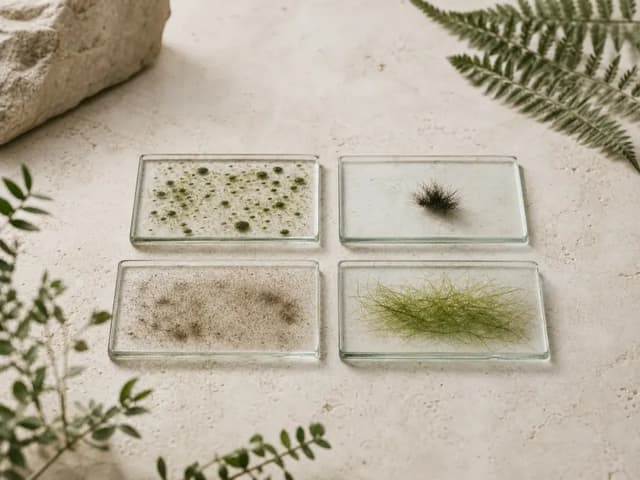
Identify the texture before choosing the treatment. Most algae problems are not a single excess to eliminate but a clue that light, carbon, nutrients, flow, or maintenance have fallen out of step.
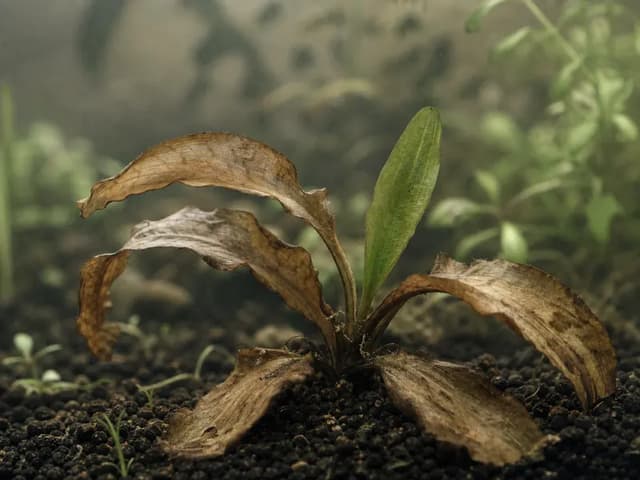
Transparent leaves are alarming, but melt is a symptom rather than a diagnosis. The growth point, roots, and pattern of damage reveal whether the plant is adapting or truly being lost.
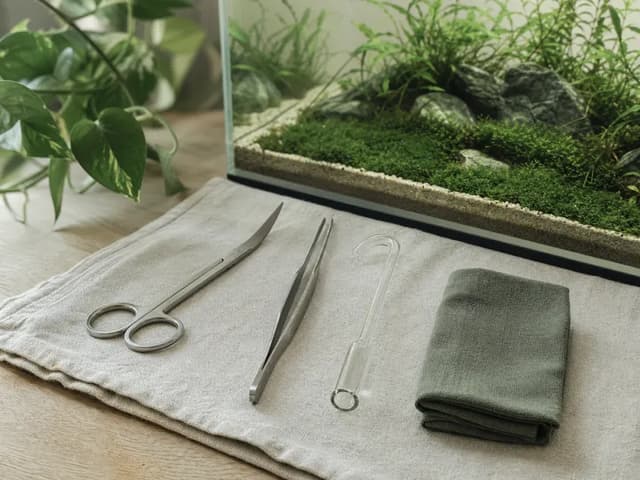
The best maintenance plan is short enough to repeat, gentle enough to preserve the biofilter, and observant enough to catch a small problem before it becomes a project.
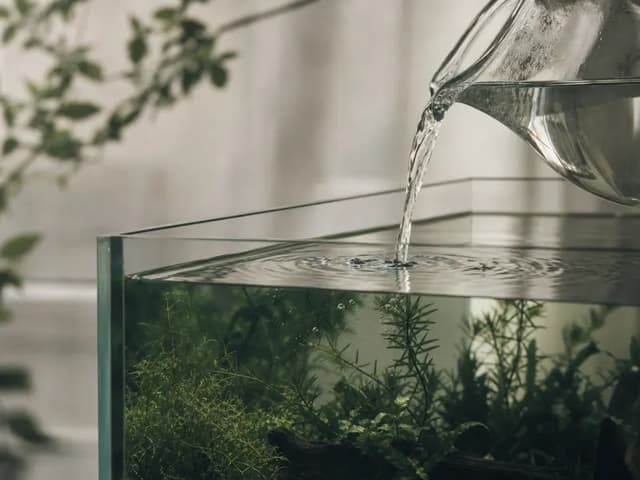
A water change is controlled dilution. How much you need depends on what the aquarium accumulates, what the replacement water restores, and how the tank is run.
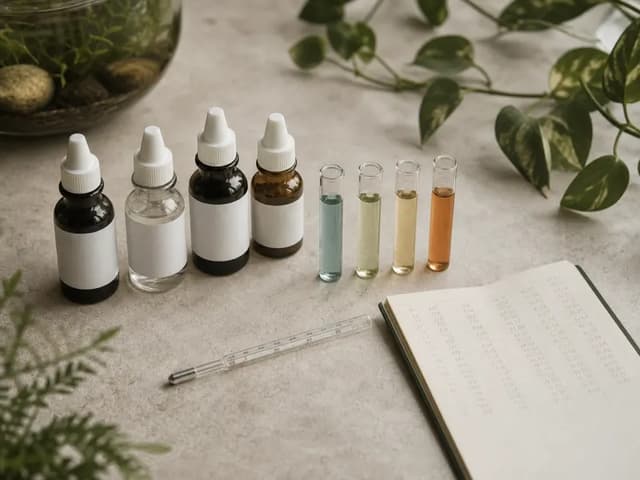
Temperature, GH, KH, and pH are not targets to chase independently. Together they describe the physical and chemical water your plants and animals actually inhabit.
Ignore the heroic wattage and color claims. Useful aquarium lighting comes down to photons at the leaves, the hours they arrive, and whether carbon and nutrients can keep pace.
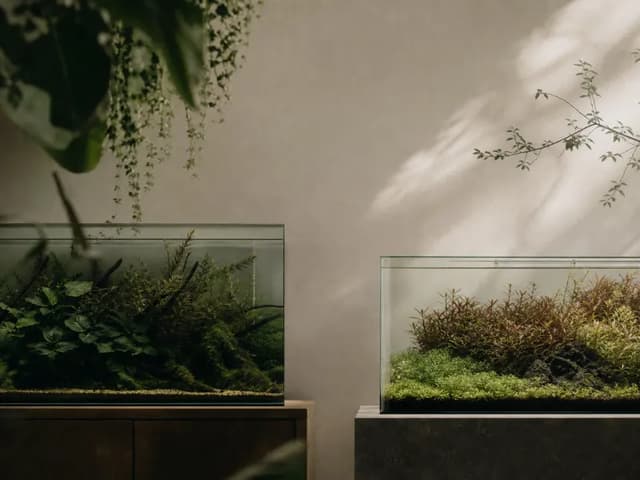
Low tech and high tech are not ranks of seriousness. They are coherent systems with different speeds, plant palettes, costs, risks, and demands on the keeper.
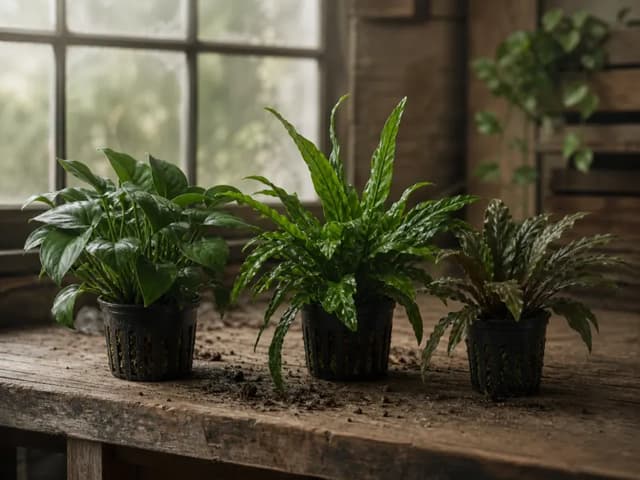
The best first plants are not merely hard to kill. They communicate clearly, recover from ordinary mistakes, and still look good in a modestly lit tank without injected CO₂.
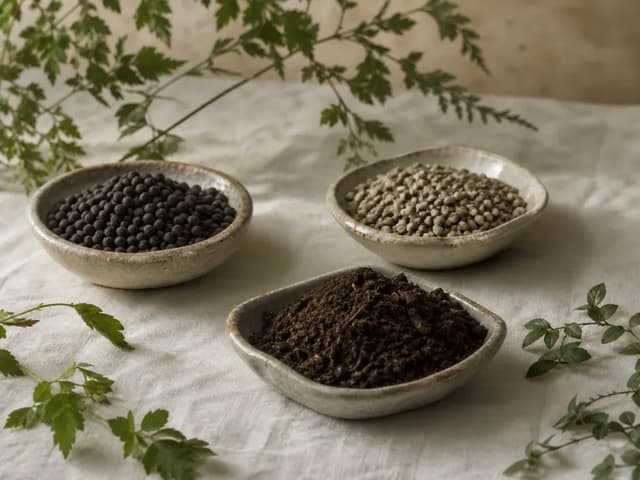
Aquasoil, inert gravel, and capped soil can all grow beautiful plants. The better choice is the one whose chemistry and maintenance you actually want to manage.
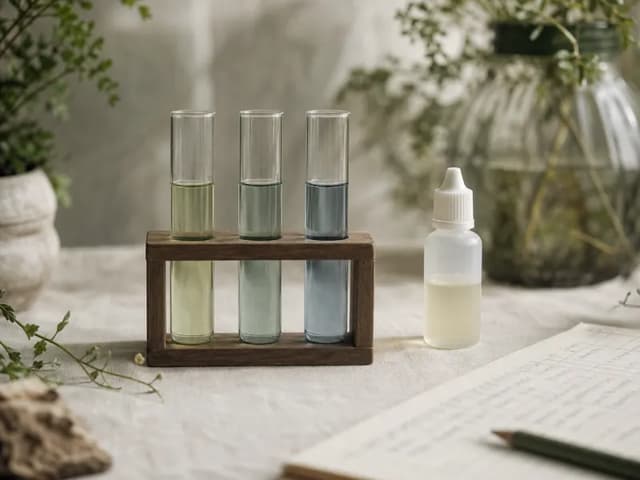
A fishless cycle is a small, patient experiment: add a known ammonia source, record what the tank can process, and let the filter prove itself before livestock arrives.
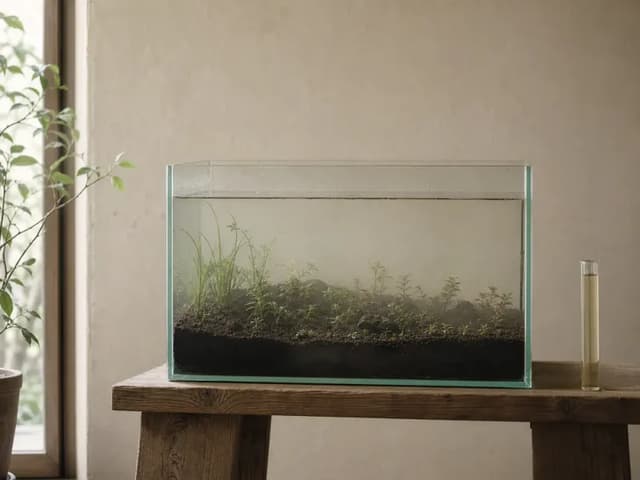
Cycling is not a waiting period. It is the slow establishment of a living filter—and in a planted aquarium, the plants are part of that filter from the first day.